I remember the first time I touched the Western Wall. The stone felt warm, as if it had absorbed countless prayers. This moment changed me. It showed me that stones in our tradition are more than just stones. They carry our tears, hopes, and the voices of our ancestors.
The meaning of sacred stones in Judaica art goes back thousands of years. Each stone in Jerusalem has a story of faith. When I paint these walls, I feel a connection to the past and present.
Sacred stones in Judaica art are more than physical objects. They symbolize strength when everything falls apart. They remind us of our history when the world tries to erase it. For Jewish women, these symbols hold deep meaning.
Jewish art with stones captures a spiritual essence that photos can’t. A painting brings the beauty of Jerusalem limestone to life. It turns the feeling of being at a holy site into something we can see every day.
Stone imagery in Jewish spiritual art encourages us to slow down and think. It shows that our faith is rooted in something strong, like the ancient walls. Through art, we bring this sacred foundation into our homes and lives.
Key Takeaways
- Stones in Jewish tradition symbolize endurance, memory, and the continuity of faith across generations.
- Jerusalem stone carries centuries of prayer and spiritual energy, making it a powerful artistic subject.
- Sacred stones in Judaica art bridge ancient spiritual meaning with contemporary visual expression.
- Paintings of holy stones bring the emotional weight of sacred places into your personal space.
- Stone imagery in Jewish spiritual art serves as a daily reminder of unshakable faith and heritage.
- Jewish art featuring stones connects modern women to timeless traditions through beauty and meaning.
Symbolism of Sacred Stones in Judaica Art
Sacred stones hold a deep meaning beyond their physical form. They connect the Jewish people to thousands of years of shared history. Each stone tells a story of survival, prayer, and devotion.
Endurance and Memory Through Stone
Stones symbolize permanence in a changing world. Jacob’s dream at Bethel linked physical stone to spiritual encounter. At Jewish graves, people place stones instead of flowers, showing lasting memory.
- Stones mark covenants and sacred moments throughout the Torah
- They symbolize strength that outlasts generations
- Placing stones on graves honors the enduring bond with the departed
Jerusalem Stone as Spiritual Foundation
The golden limestone of Jerusalem has inspired artists for centuries. Its unique glow at sunset is almost divine. A building ordinance in Jerusalem requires the use of this limestone, preserving its timeless beauty.
Every stone in Jerusalem holds a prayer whispered across centuries, waiting to be heard again.
The Even HaShetiyah — the Foundation Stone on the Temple Mount — is key in Judaism. It’s where creation began. This idea gives every stone in Judaica art a cosmic dimension.
Continuity of Faith in Sacred Places
The Western Wall is a powerful symbol of continuity. It holds centuries of devotion. When I paint these stones, I feel the prayers pressed into their crevices.
Millions of handwritten notes carry hopes, grief, and gratitude. This connection between people and place makes sacred stone imagery powerful in Judaica art.
Chaya Koritz Sacred Stones Art: Contemporary Vision
I think the best art blends old and new. My work uses Jewish traditions but feels modern and alive. Chaya koritz sacred stones art shows the feel of sacred places through my eyes. Each painting invites you to feel the past in today’s world.
“When I stand before the stones of Jerusalem, I don’t just see rock — I see generations of prayer pressed into every surface.”
Modern Interpretation of Ancient Themes
Sacred stones have meant a lot in Jewish life for ages. I mix those themes with today’s art. I use flowing lines and focus on feeling over realism. This way, my art respects history but feels current.
Blending Tradition with Contemporary Expression
I mix respect for tradition with freedom in my art. I use soft colors like golds and blues to show the quiet of the Western Wall. The shapes in my paintings are soft, inviting you to feel the sacred.
Color and Gold as Sacred Light
Gold is key in my art. It stands for divine light and the beauty of Jerusalem at sunset. When gold meets my stone colors, something special happens.
| Artistic Element | Visual Effect | Spiritual Meaning |
|---|---|---|
| Gold leaf accents | Luminous shimmer across stone textures | Divine presence and eternal light |
| Soft blue tones | Calm, meditative atmosphere | Peace, prayer, and heavenly connection |
| Warm cream hues | Gentle glow of Jerusalem stone | Endurance, memory, and belonging |
| Flowing brushwork | Movement and organic rhythm | Living faith passed through generations |
These elements come together in my art. Tradition and emotion meet in form, color, and place.
Sacred Stones Modern Soul Painting
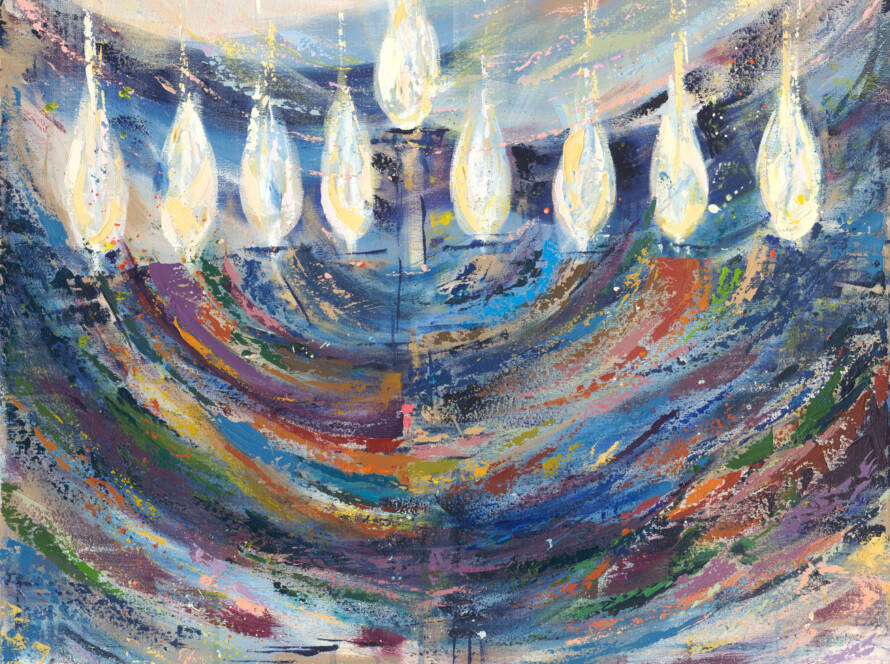
I made this painting to show something words can’t say. The Kotel is filled with prayers, tears, and faith. I wanted to bring that feeling to canvas with color, texture, and light.
This art shows the spiritual side of stones. Each stroke is a prayer. Soft colors and gold invite you to feel the holiness.
Soft Tones Capturing Spiritual Connection
The painting uses soft creams, warm golds, and earth tones. These colors show the quiet respect I feel at the Western Wall. They make you feel calm and meditative.
Chaya Koritz’s art is all about subtlety. The soft colors show the peace that comes from prayer and stone.
The Western Wall Through an Expressive Lens
I showed the Kotel with flowing shapes, not just realistic pictures. The stones seem alive with spiritual energy.
- Layered gold accents suggest divine light resting on sacred ground
- Textured brushwork echoes the weathered surface of ancient Jerusalem limestone
- Fluid composition conveys emotional movement within the calm
This style makes my work stand out among modern Jewish paintings. It honors tradition in a new way.
Peace and Prayer in Visual Form
Every part of this painting shows peace: shalom. The textures and shimmer reflect the calm of prayer at the Kotel. For Jews, this wall is a living link to G-d.
I painted this to bring that connection to your home. It reminds you of that special bond every day.
City of Stone, City of Soul Artwork
Jerusalem is often called a city of stone, and I find that name deeply poetic. Every wall, every alley, every rooftop carries the weight of centuries. When I paint this sacred city, I want viewers to feel that weight.
I aim to capture Jerusalem’s layered beauty with an earthy palette of gold, amber, and soft cream. Buildings press close together, forming dense patterns that mirror the city’s real texture. These clustered structures are not just architecture. They are living memories shaped by faith and time.
What is the symbolism of sacred stones in judaica art? For me, it begins right here — in the way Jerusalem’s stones hold the stories of generations. Each brushstroke reflects how stone motifs in judaica fine art speak to permanence, spiritual rootedness, and collective belonging.
When you stand before this painting, you are not just seeing a cityscape. You are standing at the crossroads of memory and devotion.
This piece expresses jewish identity through stone imagery by weaving together history, landscape, and spiritual longing into a single visual narrative. The buildings become symbols of continuity, resilience, and hope.
| Visual Element | Symbolic Meaning | Emotional Impact |
|---|---|---|
| Earthy gold tones | Jerusalem limestone warmth | Stability and timelessness |
| Clustered buildings | Community and shared faith | Intimacy and belonging |
| Textured brushwork | Layers of history in stone | Depth and contemplation |
| Soft light accents | Divine presence | Peace and spiritual connection |
This cityscape invites you to see Jerusalem not as a distant place, but as a feeling — one that lives in every Jewish heart.
Wrapped in Faith, Bathed in Gold Painting
This painting grabs your attention. It’s a moment of deep personal and universal significance. Figures at the Western Wall, lost in prayer, fill the scene with a quiet power.
Deep Blues Meeting Shimmer of Gold
The painting’s base is rich, deep blues, evoking night skies and quiet reverence. Gold shimmers on top, adding warmth that seems alive. This contrast shows the divine in our world, as seen in chaya koritz’s art.
Hasidic Men in Prayer at the Kotel
The figures are Hasidic men, their faces turned to the Wall. They are fully immersed in prayer. Each brushstroke captures the energy of being close to someone praying deeply.
Centuries of Devotion Echoing Through Art
What draws me to this subject is the weight of generations. Centuries of Jewish devotion echo off those ancient stones. Every crack and crevice holds a prayer whispered by someone who came before us. Key elements in this painting include:
- Luminous gold tones symbolizing eternal divine presence
- Textured stone surfaces reflecting history and endurance
- Figures unified in collective spiritual connection
- Contrast of darkness and light representing faith through hardship
This painting shows us that even in quiet prayers, something powerful exists. It inspires my work and connects with those who see it.
Stone Imagery in Jewish Spiritual Art
I often think about how stones carry the weight of memory. In my work, stone imagery in Jewish spiritual art connects what we touch to our deepest feelings. A stone wall is more than a wall—it holds centuries of prayers, tears, and hope.
Understanding stones in Jewish paintings starts with their dual nature. They are permanent yet shaped by time. They stand firm but absorb the energy of every touch. This mix of strength and sensitivity makes stone symbolism in painting fascinating.
Every brushstroke against a painted stone is a conversation with generations who stood in that same sacred space before us.
What draws me to sacred landscapes and stone metaphors is their capture of collective memory. A single painted stone can symbolize a community’s devotion. Here are key symbolic roles stones play in Jewish art:
- Permanence — representing God’s eternal covenant
- Memory — holding the stories of ancestors
- Foundation — grounding spiritual identity in physical space
- Connection — linking the earthly to the divine
| Stone Symbol | Spiritual Meaning | Visual Expression in Art |
|---|---|---|
| Western Wall stones | Prayer and longing | Warm gold and cream tones with textured brushwork |
| Jerusalem limestone | Holy city’s enduring spirit | Soft, luminous surfaces reflecting sacred light |
| Twelve tribal stones | Unity of the Jewish people | Rich, jewel-toned color palettes |
| Memorial stones | Honoring the departed | Muted, contemplative compositions |
These visual traditions continue in modern Jewish art. Heritage and new expression blend on canvas with deep respect.
Jewish Heritage and Stone Symbolism
I see a strong connection between Jewish heritage and stone symbolism. Every ancient wall and sacred rock has a story to tell. They carry the prayers of many generations, holding memories in their texture.
“Place a stone upon a grave, and you say: I remember. I was here. You are not forgotten.”
Stones Representing Strength and Faith
In Jewish tradition, stones symbolize strength and faith. Jacob rested his head on a stone and dreamed of angels. The twelve tribes were marked on precious stones in the High Priest’s breastplate. These symbols are not just decorations; they are spiritual anchors.
- Stones mark burial sites as acts of remembrance
- The Western Wall stands as a living symbol of resilience
- Foundation stones in the Temple represent God’s presence on earth
Ancient Stone Symbolism in Judaica
Exploring ancient stone symbolism in judaica, I find a tradition that views the physical world as a gateway to the divine. The Torah describes the tablets of the Ten Commandments as stone — chosen for permanence. This choice shows what is carved in stone endures.
Sacred Landscape and Stone Metaphors
The hills of Jerusalem, the desert of the Negev, and the caves of the Dead Sea are key to understanding Jewish identity. The land itself is seen as a spiritual text, written in limestone and sandstone.
| Stone Element | Spiritual Meaning | Scriptural Reference |
|---|---|---|
| Jacob’s Pillow Stone | Divine encounter and transformation | Genesis 28:11–18 |
| Tablets of the Covenant | Eternal law and divine truth | Exodus 31:18 |
| Western Wall Stones | National resilience and collective prayer | Historical tradition |
| Breastplate Gemstones | Unity of the twelve tribes | Exodus 28:17–21 |
This connection between stone and spirit inspires my art. It bridges ancient tradition to modern Judaica expression.
Contemporary Judaica Stone Symbolism
Today’s Jewish artists are bringing new life to old themes. They mix ancient traditions with modern visuals. They use bold colors, textures, and brushwork to show what stones mean to the Jewish soul — permanence, prayer, and sacred memory.
This movement speaks to a generation that wants authenticity and beauty. It makes Jewish art with stone symbolism feel both new and deeply rooted.
Modern Jewish Paintings of Sacred Stones
What makes modern Jewish paintings of sacred stones so compelling? These works take familiar images and make them fresh. Artists use gold leaf and soft colors to evoke spirituality.
The sacred stones series in judaica art is very meaningful. Each piece has its own emotional depth and adds to a story of faith and identity.
- Textured surfaces that mimic real stone and invite touch
- Gold accents symbolizing divine light and spiritual illumination
- Muted earth tones grounding the viewer in the landscape of Israel
- Abstract forms that leave room for personal reflection and prayer
Spiritual Meaning of Stones in Art
Every stone in Jewish tradition has a story. In art, that story becomes visual and powerful. A painted stone is more than a rock — it’s a symbol of covenant, devotion, and the Holy Land.
I think the spiritual power of these works is in their ability to slow us down. They encourage quiet thought in a busy world. Standing before a painting, you feel centuries of prayer through the canvas.
Art becomes a bridge when it carries the weight of sacred history into the spaces where we live and breathe today.
This spiritual aspect is what makes these paintings special. It connects them to Jewish heritage and stone imagery in this collection.
Where to Buy Judaica Stone Paintings Online
Wondering where to buy judaica stone paintings online? My original works are available directly through my studio. Each piece holds deep spiritual meaning, rooted in Jewish tradition and sacred stone imagery.
Buying art directly from the artist is a unique experience. When you purchase original judaica sacred stone art from me, you get a piece made with intention, prayer, and a true connection to Israel.
My online judaica fine art marketplace at chayakoritz.com lets you explore my sacred stone paintings easily. You can browse, connect, and ask questions at your own pace. For direct inquiries, visit chayakoritz.com/contacts/ or call +972506689640.
Here’s what to expect when you reach out about judaica art featuring stones for sale:
- Personal consultation about each painting’s symbolism and story
- Guidance on selecting the right piece for your home or synagogue
- Secure international shipping from Israel to the United States
- Certificate of authenticity with every original work
| Contact Method | Details | Best For |
|---|---|---|
| Website | chayakoritz.com/contacts/ | Browsing collections and submitting inquiries |
| Phone/WhatsApp | +972506689640 | Quick questions and personal consultations |
Whether you’re drawn to the golden glow of the Kotel or the quiet strength of Jerusalem’s ancient walls, original judaica sacred stone art brings lasting beauty into your space. I invite you to explore my work and find a painting that speaks to your soul.
Conclusion
Sacred stones hold deep meaning for Jewish memory, faith, and identity. Through my art, I aim to bring this spiritual depth into your home. I blend ancient themes with a modern, expressive style.
Each painting is a call to pause, reflect, and feel the connection between our people and sacred places. These places shape who we are.
I think art should touch both the soul and the eye. That’s why I use gold, rich blues, and soft tones in my work. These colors honor tradition and add modern beauty.
If you’re interested in sacred stone art, contact Chaya Koritz. I’m here to talk about how my paintings can connect with your spiritual journey.
Want to add sacred stone art to your space? Call +972506689640 for inquiries, or visit michalshmuel.com/contact to buy. You can also reach me at chayakoritz.com/contacts/ to see available pieces, request custom work, or ask questions. I’m excited to help you find art that touches your heart.