I remember my first visit to a synagogue with stunning Judaica wall art. The walls told ancient stories and touched my soul. It showed me that synagogue decoration is more than looks. It connects our heritage to our hearts.
When considering Judaica wall art, each piece of Judaica art holds our shared memories and hopes for the future. Colors, symbols, and Hebrew letters turn walls into living stories of faith.
Choosing art for a synagogue is more than finding pretty pieces. It’s about understanding what moves people to pray, connects them to their heritage, and inspires spiritual growth. The art we choose becomes the heart of the sanctuary, guiding worshippers on their spiritual path every Shabbat and holiday.
Key Takeaways
- Judaica wall art serves as a bridge between ancient traditions and modern worship experiences.
- Artist selection matters; look for creators who infuse genuine spiritual depth into their work.
- Color choices in synagogue art carry symbolic meaning and emotional resonance.
- Sacred decoration transforms physical spaces into spiritual sanctuaries.
- The right artwork speaks to both individual souls and the collective community.
- Understanding your congregation’s needs guides meaningful art selection.
Understanding the Sacred Purpose of Judaica Wall Art in Synagogues
Walking into a synagogue with religious sanctuary decor changes my mood. The walls communicate in a way that goes beyond words. They turn the space into a special place where faith and community meet.
The Spiritual Connection Between Art and Worship
Jewish ceremonial art is more than just decoration. The blue colors in my art remind me of Israel’s vast skies. The golds reflect Jerusalem’s ancient beauty. These colors help us connect with our faith.
Seeing symbols like the Star of David or Hebrew letters on canvas opens our hearts. It brings us closer to our spiritual selves.
Creating a Sanctuary Through Visual Expression
Decorating a space with sacred art turns it into a place of deep meaning. Biblical scenes offer quiet spots for reflection. Blessings above doors welcome everyone with love and purpose.
My Past and Present in Perfect Harmony piece captures the beauty of united prayer. It brings light and energy to the space.

How Art Enhances Prayer and Community Gathering
Art makes prayer more powerful. When people gather under art that shows their shared heritage, they feel connected. The golden tones in my Gold series warm up the space, bringing people together.
Each piece of religious sanctuary decor adds to the worship experience. It holds space for both joy and quiet thought.
Essential Symbols and Motifs in Jewish Ceremonial Art Selection
When I create art, I use symbols that have guided our people for centuries. Each symbol carries deep meaning, connecting us to our heritage. It also speaks to today’s souls. The selection process involves understanding these symbols and their place in worship spaces.
Incorporating the Menorah and Eternal Light
The seven-branched menorah symbolizes both ancient Temple memory and modern sanctuary design. I pair it with the Ner Tamid, creating artwork that speaks to divine presence. These symbols turn walls into beacons of spiritual warmth.
How to choose meaningful Judaica wall art for a synagogue?
Choosing art for a synagogue is a big decision. It needs to be both spiritually meaningful and practical. I start by thinking about the space’s purpose. A sanctuary needs different art than a social hall or study room.
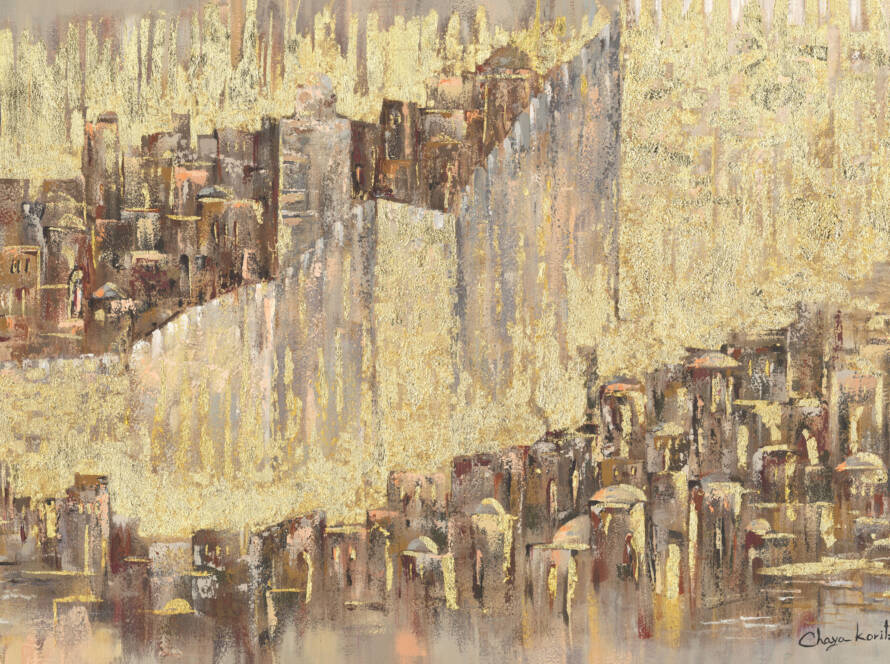
Each area should have art that fits its function and keeps things sacred. The size of your walls also matters. Big walls can hold large pieces, like one of the pieces from the Western Wall collection.
Smaller spaces are perfect for smaller, more intimate art. The right-sized art makes a big difference.
Lighting is key to how art looks at different times. Natural light changes colors and shadows. Artificial light is important for evening services. Think about art that looks good in different lights.
The mood you want to create is also important. Warm colors help people think deeply, while bright colors make us feel joyful. This choice can really impact the atmosphere of your synagogue.
Remember, the art should connect with your community. Ask your congregation what Jewish themes they like. Some like traditional symbols, while others prefer new takes on old ideas.
The art should show your community’s journey and values. It should make everyone feel welcome and spiritually at home.
Balancing Traditional Judaica Artwork with Contemporary Jewish Art
Finding the right mix of traditional Judaica artwork and modern Jewish art makes a synagogue special. It connects the old with the new. This blend respects ancient symbols and brings in fresh views for today’s people.
Honoring Ancient Traditions in Modern Spaces
Modern art brings old Jewish symbols to life. The Menorahs shine in new designs.
These pieces keep the spiritual meaning but also attract younger people. They want to connect with their heritage in new ways.
The Role of Color in Contemporary Interpretations
Color makes contemporary Jewish art feel alive. Blues take us to heaven and calm thoughts. Neutrals link spiritual growth with nature.
Lively pink celebrates happy traditions and community. These colors help families show their Jewish identity in a modern way. For unique art for your synagogue, visit chayakoritz.com/contacts to talk about custom pieces.
Sacred Space Decoration Guidelines for Different Synagogue Areas
Every part of a synagogue has its own role. Choosing the right decor is key. I’ve learned that each area needs something special. The decor should match the room’s purpose.
Prayer halls need art that makes you think. I suggest pieces with Hebrew calligraphy or biblical scenes. These help people focus on their prayers.
Community areas are for celebrating. Here, I recommend art that shows joy and connection. My Chasidim collection, like “Circle of Faith – Expressive Hasidic Dance in Jewish Art”, uses bright colors to bring people together.
|
Synagogue Area |
Recommended Sacred Space Decoration |
Visual Elements |
|
Main Sanctuary |
Menorah motifs, themes of the Beit Hamikdash |
Gold leaf accents, deep blues |
|
Social Hall |
Scenes of Jerusalem, Chasidic celebrations |
Bright colors, dynamic movement |
|
Study Room |
Talmudic wisdom, stories of Rachel’s Tomb |
Earth tones, calming imagery |
|
Children’s Area |
Parting of the Red Sea, holiday celebrations |
Playful designs, engaging narratives |
Selecting Appropriate Jewish Cultural Heritage Display Pieces
Choosing the right Jewish cultural heritage display for synagogue walls is key. It’s about understanding the stories and symbols that connect your congregation. Each piece of traditional Judaica artwork has a story that links past and present.
When I create pieces for sacred spaces, I focus on three main categories. These categories speak to the heart of Jewish identity and faith.
Biblical Narratives and Their Visual Representations
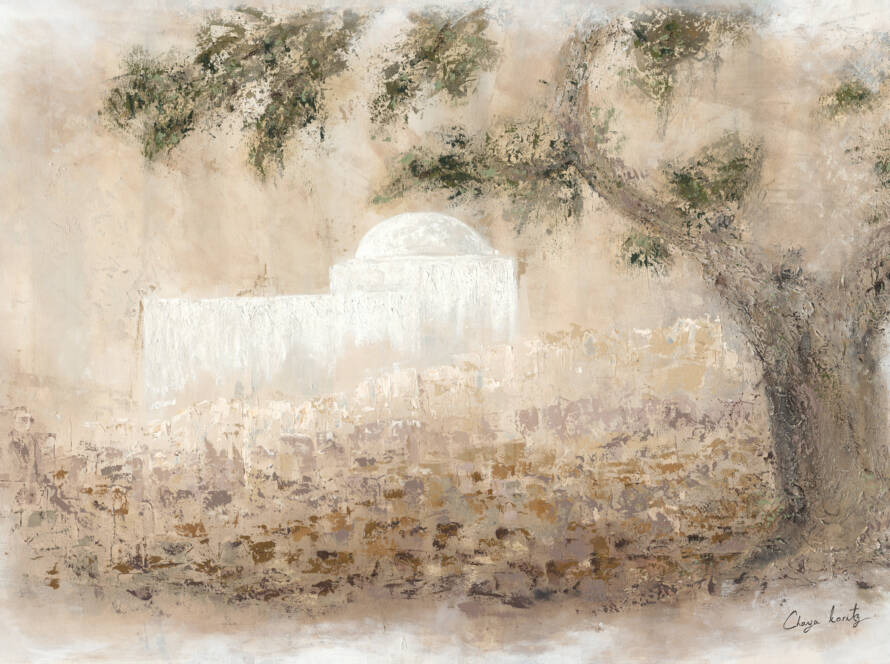
Biblical stories are a great source of inspiration for synagogue art. ”Jerusalem Beneath the Light of the Menorah” artwork beautifully illustrates the city bathed in the warm glow of the menorah’s light, symbolizing hope and unity within the Jewish community. Artwork of Kever Rachel captures the love and protection of a mother, touching every parent’s heart.
These stories turn walls into teaching moments. They bring faith to life through color and form.
Celebrating Jewish Women in Religious Art
Women’s spirituality is important in synagogue decoration. My pieces honor the matriarchs and modern Jewish women who keep traditions alive. Visit chayakoritz.com to see how traditional Judaica artwork celebrates the Jewish culture.
These images show that women are the foundation of Jewish continuity.
Festival and Holiday-Themed Artwork
Seasonal artwork brings the Jewish calendar to life all year. Each festival has its own unique visual elements:
|
Collection |
Visual Elements |
Symbolic Meaning |
|
Chasidim |
Sacred Stones, Prayer Shawls |
Devotion and Tradition |
|
Jerusalem |
Western Wall, Olive Trees |
Faith and Resilience |
|
Menorah |
Branches, Flames |
Hope and Enlightenment |
Material Considerations for Religious Sanctuary Decor
When picking materials for religious decor, I look at both looks and lasting quality. The right choice helps art fit well in sacred areas and stay beautiful over time. Each material adds something special to the spiritual feel while also meeting the needs of synagogue life.
Durability and Maintenance Requirements
Choosing meaningful art for a synagogue means thinking about upkeep. Canvas needs soft dusting and protection from sunlight.
Size and Scale Appropriate for Sacred Spaces
Small pieces fit well in small prayer areas. Large canvas works make great focal points in big sanctuaries. Balance is key.
Too big or too small can be off-putting.
Budget Planning and Investment in Meaningful Jewish Art
Choosing meaningful Judaica wall art for a synagogue is a journey. It doesn’t happen quickly. The cost is important, but the spiritual and cultural value is much greater. Each piece tells stories that last for generations.
Building a Collection Over Time
Start your Jewish cultural heritage display with one key piece and add more over time. This way, your synagogue can grow its unique style while keeping costs in check. Think about setting up an annual art fund or buying new pieces for special events.
Many synagogues use memorial donations or celebrate milestones to fund art. This approach helps them find the right balance between quality and budget.
Conclusion
Choosing Judaica wall art for your synagogue is a journey of faith and beauty. At chayakoritz.com, I create art with families and unity in mind. Each piece carries our shared history from ancient Jerusalem to today’s sanctuaries.
Deciding on meaningful Judaica wall art is about finding the right mix of tradition and modern style. By choosing art that combines Jewish symbols with new ideas, you make your space more intimate and community bonds stronger.
Your synagogue walls can show our heritage through the right art. The art you pick today will tell stories of faith, resilience, and belonging, linking past wisdom with today’s devotion.
If you are choosing pieces for your own sanctuary, you can browse the full collection of original Judaic paintings, or start with works built around communal prayer such as Where Souls Meet: A Gathering at the Kotel and Threads of Time: Tallit and Tradition, both painted at the Kotel in shared devotion. To talk through a piece for a specific space, get in touch.
For the walls themselves, the Jerusalem paintings and Kotel and Western Wall paintings collections gather every original on those subjects, with sizes listed on each artwork page.